Viking Environmental and Septic Services Blog
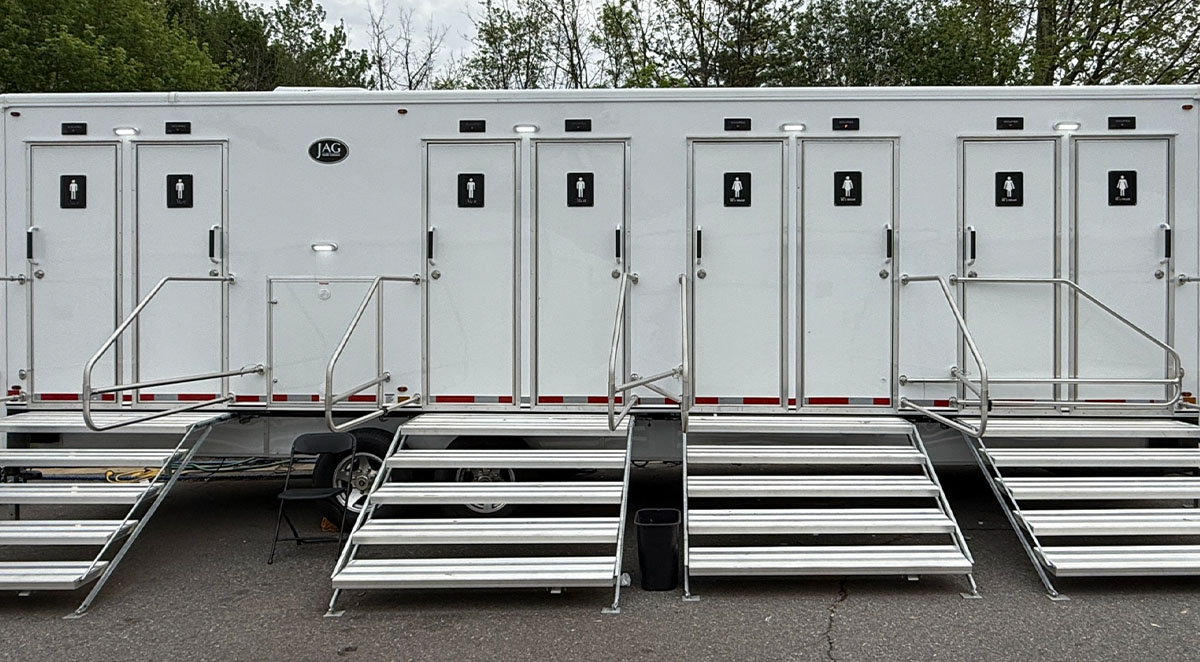
Planning an outdoor wedding in Western North Carolina's stunning mountain landscape offers breathtaking scenery and unforgettable memories. From the majestic Blue Ridge Mountains to picturesque vineyards and charming farms, WNC provides some of the most beautiful outdoor wedding venues in the country. However, one critical aspect of planning that deserves special attention is your guests' comfort—specifically, the restroom facilities.

Installing a septic system is a significant investment for any Western North Carolina homeowner. Whether you're building a new mountain property, replacing a failed system, or upgrading to a more efficient design, understanding the installation process is crucial for making informed decisions. This comprehensive guide walks you through everything you need to know about septic system installation in WNC's unique mountain environment.
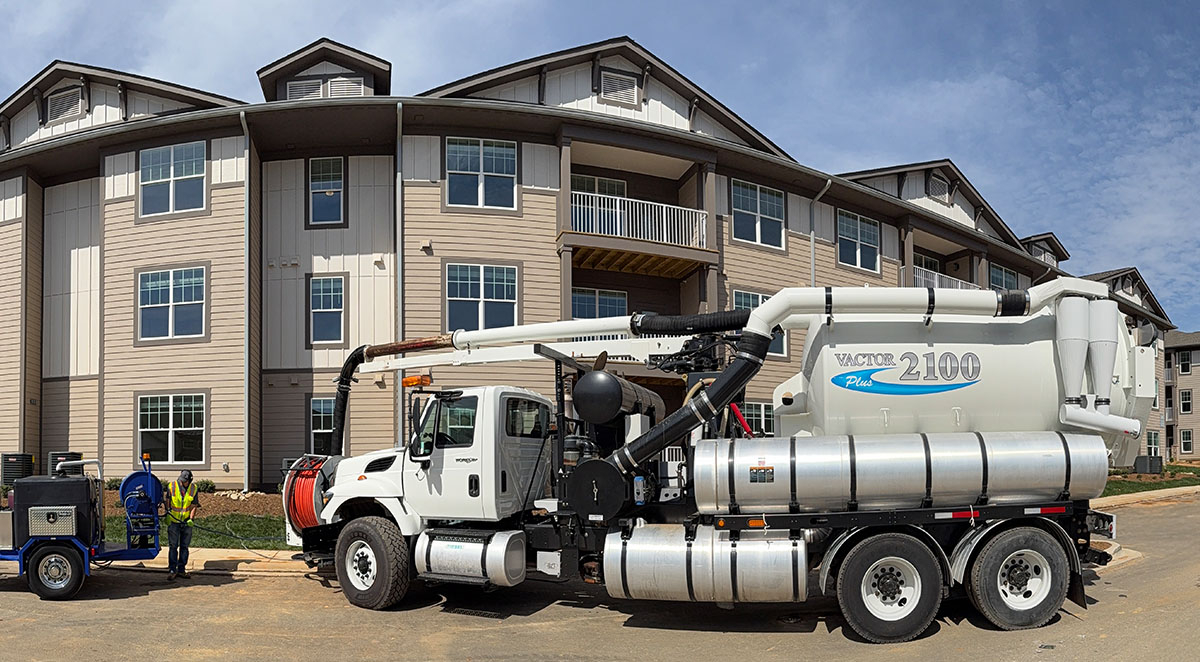
In Western North Carolina's challenging mountain terrain, excavation projects present unique risks and considerations. Whether you're installing utilities, repairing underground lines, or preparing for construction, the method you choose for digging can significantly impact project costs, timeline, and safety. Increasingly, property owners across Asheville, Hendersonville, and surrounding WNC communities are switching from traditional mechanical excavation to hydro excavation – and with good reason.

As winter settles over Western North Carolina's mountains, homeowners face unique challenges in maintaining their septic systems. While our region might not experience the sustained deep freezes of northern states, our distinctive pattern of freeze-thaw cycles and occasional heavy snowfall creates its own set of concerns for septic system maintenance. From the rolling hills of Asheville to the peaks surrounding Hendersonville, each property's septic system faces winter challenges that require understanding and preparation.