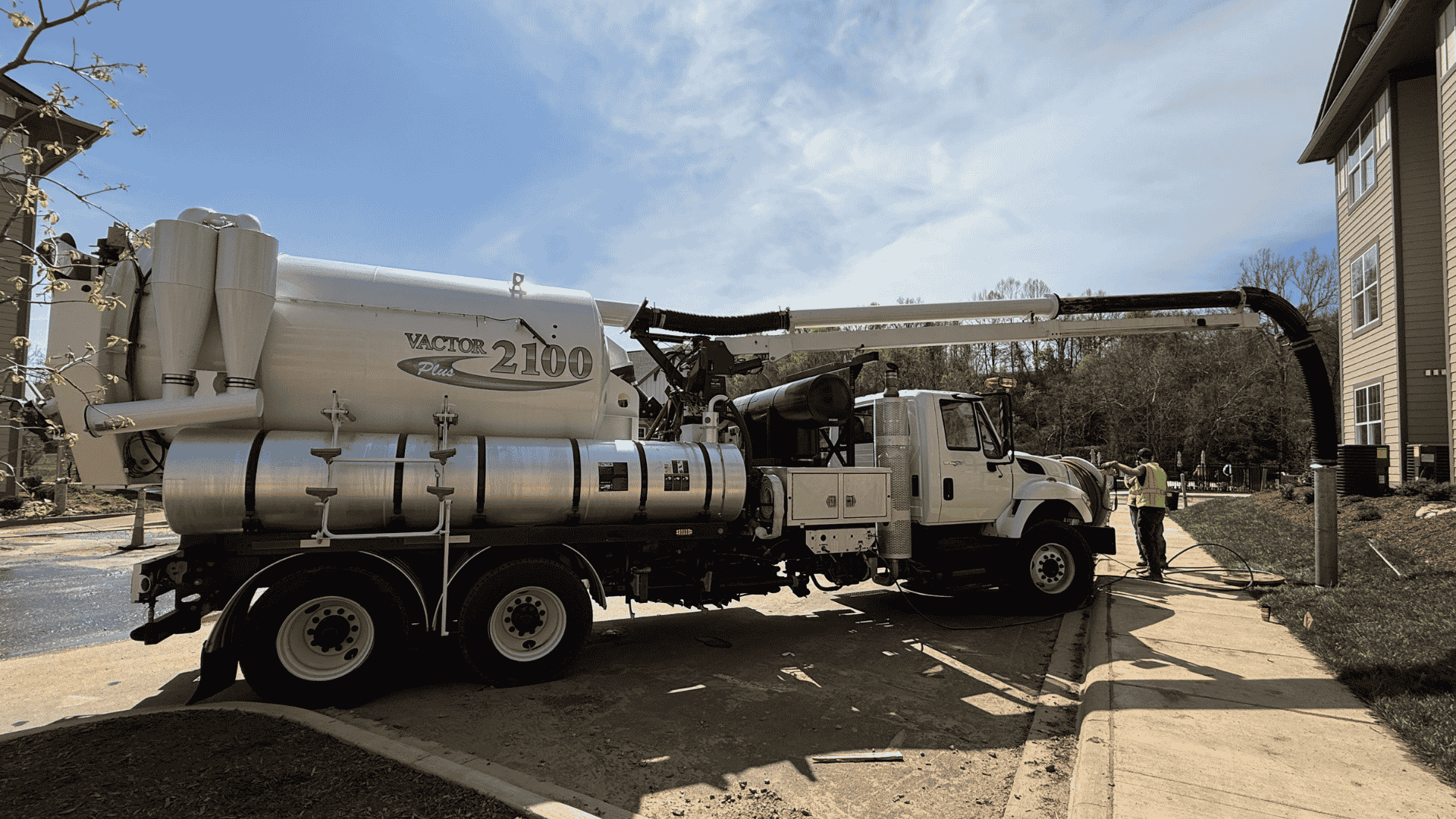
Viking Environmental and Septic Services provides certified real estate septic inspections throughout Buncombe and Henderson Counties, with fast turnaround times designed to meet closing deadlines. Here's everything you need to know before scheduling yours.
Quick Summary: North Carolina does not legally require a septic inspection to close on a home, but lenders, insurers, and buyers routinely request one. A certified inspection uncovers hidden system problems before they become your responsibility. This guide covers NC requirements, what certified inspectors check, common issues found in WNC mountain homes, how to prepare, and how to handle repair negotiations.
What NC Law Says About Septic Inspections for Home Sales
Is a Septic Inspection Required in North Carolina?
North Carolina does not mandate a septic inspection as a condition of sale the way some states do. However, that legal distinction rarely translates to a clean pass. Most mortgage lenders require proof of a functioning system before approving financing on a property with a private septic system. Home insurers frequently ask for the same documentation. And buyers relocating from areas where sewer service is the norm are increasingly requesting septic inspections as a standard contingency.
The North Carolina On-site Wastewater Contractors and Inspectors Certification Board (NCOWCICB) governs who can perform certified inspections in the state. Working with an NCOWCICB-certified inspector ensures your report will be accepted by lenders, real estate attorneys, and insurance carriers.
Buncombe County and Henderson County Septic Rules
Both Buncombe and Henderson Counties fall under NC DHHS regulations for on-site wastewater systems, administered locally through their respective environmental health departments. Key points to understand before inspection findings require action:
- Any repair or modification to a septic system requires an improvement permit
- System replacements require a full site evaluation by a licensed soil scientist or engineer
- Some repairs are straightforward; others involve the county permitting process and licensed contractors
What Certified Inspectors Check
The Full Scope of a Real Estate Septic Inspection
A certified real estate septic inspection goes well beyond a visual check. At Viking, our septic system inspections include complete tank pumping as part of the process. Pumping the tank first is the only way to properly assess interior tank conditions, baffle integrity, and inlet and outlet structures.
1. Tank Condition
Inspectors examine the tank for structural issues that affect its remaining useful life, including:
- Structural cracks and deteriorating concrete
- Root intrusion into tank walls or pipes
- Compromised inlet and outlet baffles
- Evidence of groundwater infiltration
Older concrete tanks common throughout WNC can develop hairline fractures that allow groundwater in, a problem that drives up pumping frequency and accelerates drainfield failure.
2. Distribution and Drainfield Assessment
The drainfield is where most septic failures originate, and it's what buyers are most at risk of inheriting without a proper inspection. Inspectors assess for:
- Signs of saturation or effluent surfacing above ground
- Uneven distribution across field lines
- Compaction from vehicle traffic or heavy equipment
- Vegetation and landscaping impacts on field performance
Mountain properties present unique challenges here. Sloped terrain can cause uneven loading, and clay-heavy WNC soils can reduce absorption capacity over time.
3. Pump Systems and Advanced Components
Homes with pump chambers, dosing tanks, or advanced treatment units require additional evaluation. Inspectors check:
- Float switches and alarm systems
- Pump operation and output
- Control panel condition and wiring
- Dosing frequency and historical records
These components are expensive to replace and frequently overlooked in basic inspections.
4. Flow Testing
Where appropriate, inspectors conduct flow testing to observe how the system responds to typical household water usage. This step identifies slow drainage, pump lag, or distribution problems that only reveal themselves under load.
Common Issues Found in WNC Mountain Homes
What Shows Up on Inspection Reports in Buncombe and Henderson Counties
Western North Carolina's mountain terrain and soil composition create conditions that affect septic systems in ways buyers from other regions may not anticipate. Viking technicians regularly encounter the following issues during certified inspections.
1. Aging Concrete Tanks
Many homes built before the 1980s have original concrete tanks that have reached or exceeded their useful life. Common findings include:
- Cracked baffles and deteriorating concrete walls
- Failed inlet tees
- Groundwater infiltration through hairline fractures
2. Saturated Drainfields
WNC's heavy rainfall, combined with clay soils and seasonal groundwater fluctuations, creates conditions where drainfields can become chronically saturated. A saturated field discovered during inspection may point to a systemic problem rather than a temporary weather event, especially when observed outside of a wet period.
3. Undersized Systems
As homes change hands and families grow, systems originally permitted for two bedrooms may be serving three- or four-bedroom households. Signs of an undersized system include:
- Rapid tank filling between pumpings
- Slow drains throughout the home
- Accelerated drainfield wear
4. Missing or Clogged Effluent Filters
Filters installed in the tank outlet protect the drainfield from solids, but they require regular cleaning. Many homeowners don't know their system has one until an inspection finds it clogged solid.
5. Inaccessible Tanks
A surprising number of WNC properties have tanks buried under decks, patios, or landscaping added after the original septic permit. Locating and accessing the tank adds time and sometimes cost to the inspection process. If your tank location is unknown, Viking's septic system locating service can find it before the scheduled inspection appointment.
How to Prepare for a Real Estate Septic Inspection
Steps for Sellers
The more information you have available, the smoother the inspection will go. Before the inspection date:
- Gather existing septic records from your county environmental health department, including the original site plan, tank size, and drainfield location
- Avoid running laundry, dishwashers, or other high-volume water sources for 24 hours beforehand
- Mark or uncover the tank lid location if known
- Flag any history of repairs, modifications, or recurring issues for the inspector
Steps for Buyers
Your inspection contingency is your primary protection as a buyer. To get the most from the process:
- Include a septic inspection contingency with a defined timeframe — five to ten business days is typical in WNC transactions
- Book the inspection as early as possible after going under contract
- Attend the inspection in person so you can ask questions directly
- Request copies of any existing septic records from the seller before the inspection date
Negotiating Repairs After a Septic Inspection
How to Use Inspection Findings at the Closing Table
Not every issue found during a septic inspection is a deal-breaker. The key is understanding which findings represent immediate safety or compliance concerns versus which are routine maintenance items.
Findings that typically warrant renegotiation include:
- Active drainfield failure
- A structurally compromised tank requiring replacement
- Unpermitted system modifications that require correction
Minor findings, such as a clogged effluent filter, a worn baffle, or a pump float that needs adjustment, are often addressed during or immediately after the inspection visit. A full-service company like Viking can handle most repairs on the same visit when parts are available, keeping the transaction on schedule.
When significant repairs are needed, buyers have several options:
- Requesting the seller complete repairs before closing
- Negotiating a price reduction to cover estimated repair costs
- Asking the seller to escrow funds for post-closing repairs
Having a written estimate from a certified contractor strengthens any negotiation position at the closing table.
Timeline Expectations for Real Estate Septic Inspections
How Long Does the Process Take?
A complete certified inspection, including tank pumping, typically takes two to three hours on site. Complex systems, difficult access, or pump systems requiring additional testing may extend that window. Written reports are typically delivered within 24 to 48 hours.
From scheduling to report delivery, most buyers can complete the full process within three to five business days. Viking prioritizes real estate inspection scheduling to support closing timelines throughout Buncombe and Henderson Counties.
Frequently Asked Questions
Is a septic inspection required to sell a house in North Carolina?
North Carolina law does not require a septic inspection as a condition of sale. However, most mortgage lenders and many buyers require one before closing, and it is strongly recommended for any property with a private septic system.
How much does a certified real estate septic inspection cost?
Viking's comprehensive certified inspections start at $850, which includes complete tank pumping and a detailed written report. This cost is modest relative to the expense of inheriting a failing system, which can run $6,000 to $25,000 or more to replace.
Who can perform a certified septic inspection in North Carolina?
Inspections must be performed by a technician certified through the NCOWCICB. Viking's technicians hold current NC certification, and our reports are accepted by lenders, insurers, and real estate attorneys.
How long does a septic inspection take?
Most inspections take two to three hours on site. Written reports are typically delivered within 24 to 48 hours.
What happens if problems are found during the inspection?
You receive a clear written report with specific findings and repair recommendations. As a full-service septic company, Viking can perform most repairs promptly and can provide written estimates to support transaction negotiations.
Can the same company inspect and repair the system?
Yes. Using a full-service provider for both inspection and any needed repairs simplifies the process and timeline. Viking provides thorough, unbiased assessments and clearly distinguishes required repairs from optional maintenance recommendations.
What if the tank can't be located before the inspection?
Viking's septic system locating service can find buried tanks before your inspection appointment, ensuring the process stays on schedule.
Schedule Your Certified Real Estate Septic Inspection
Whether you're closing on a home in Asheville, selling a property in Hendersonville, or working through a transaction anywhere in Buncombe or Henderson County, a certified inspection from Viking Environmental and Septic Services gives you the documentation and peace of mind the process requires.
Our Fletcher, NC location lets us reach both counties quickly, and we prioritize scheduling for real estate transactions so your closing timeline stays on track. Contact us today to schedule your inspection or learn more about our septic system services.