Viking Environmental and Septic Services Blog
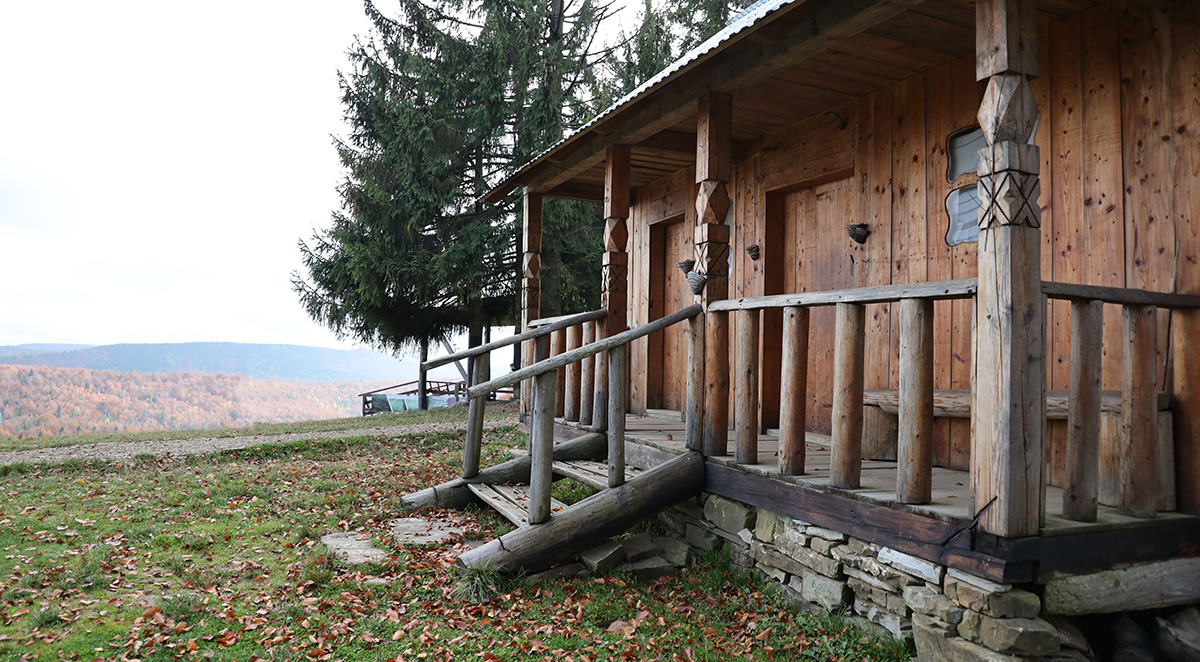
Western North Carolina's vacation rental market runs nearly year-round, with spring wildflower season, summer outdoor recreation, and fall foliage creating overlapping demand peaks that keep many properties booked solid from May through November. That's excellent for rental income. It's also a substantial and sustained load on private septic systems that were typically designed for a household of two to four people, not a rotating stream of six to eight guests who don't know the house rules about what goes down the drain.
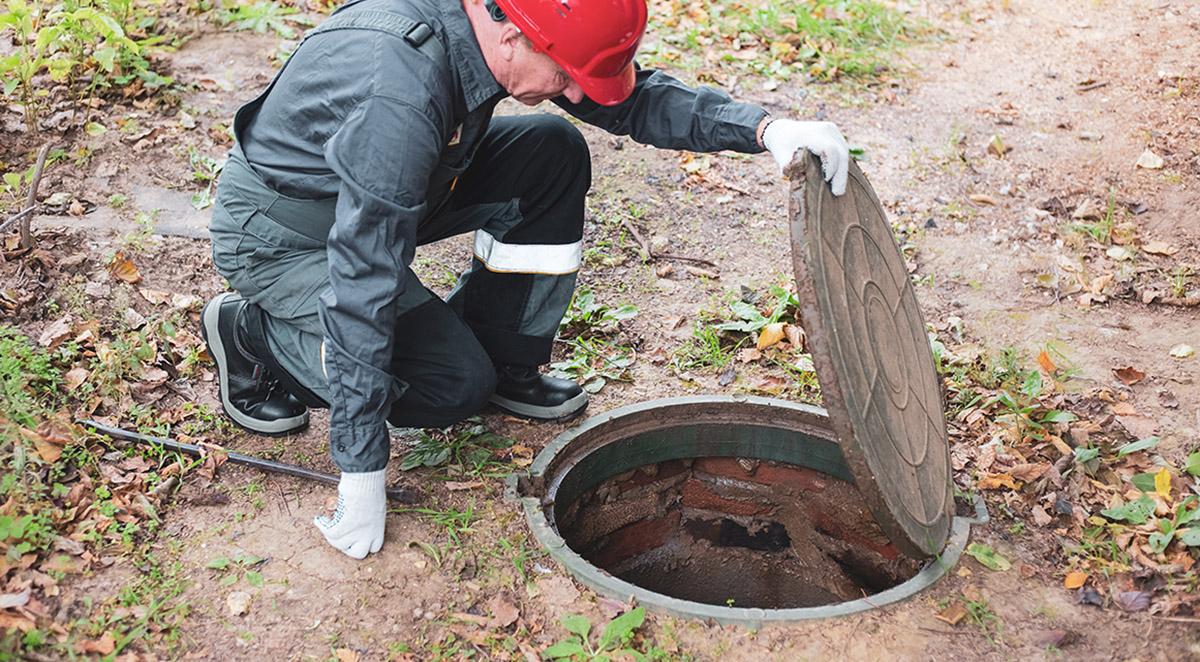
When something goes wrong with a septic system in Western North Carolina, the first question most homeowners ask is a reasonable one: how much is this going to cost? The honest answer is that it depends significantly on what actually needs to be fixed. Septic repairs range from straightforward component replacements that cost a few hundred dollars to drainfield rehabilitation and system replacement that can run well into five figures.
This guide covers the most common repairs Viking technicians handle throughout Buncombe and Henderson Counties, realistic price ranges for each, guidance on when repair makes sense versus replacement, and the red flags that separate honest contractors from those who are not looking out for your interests.
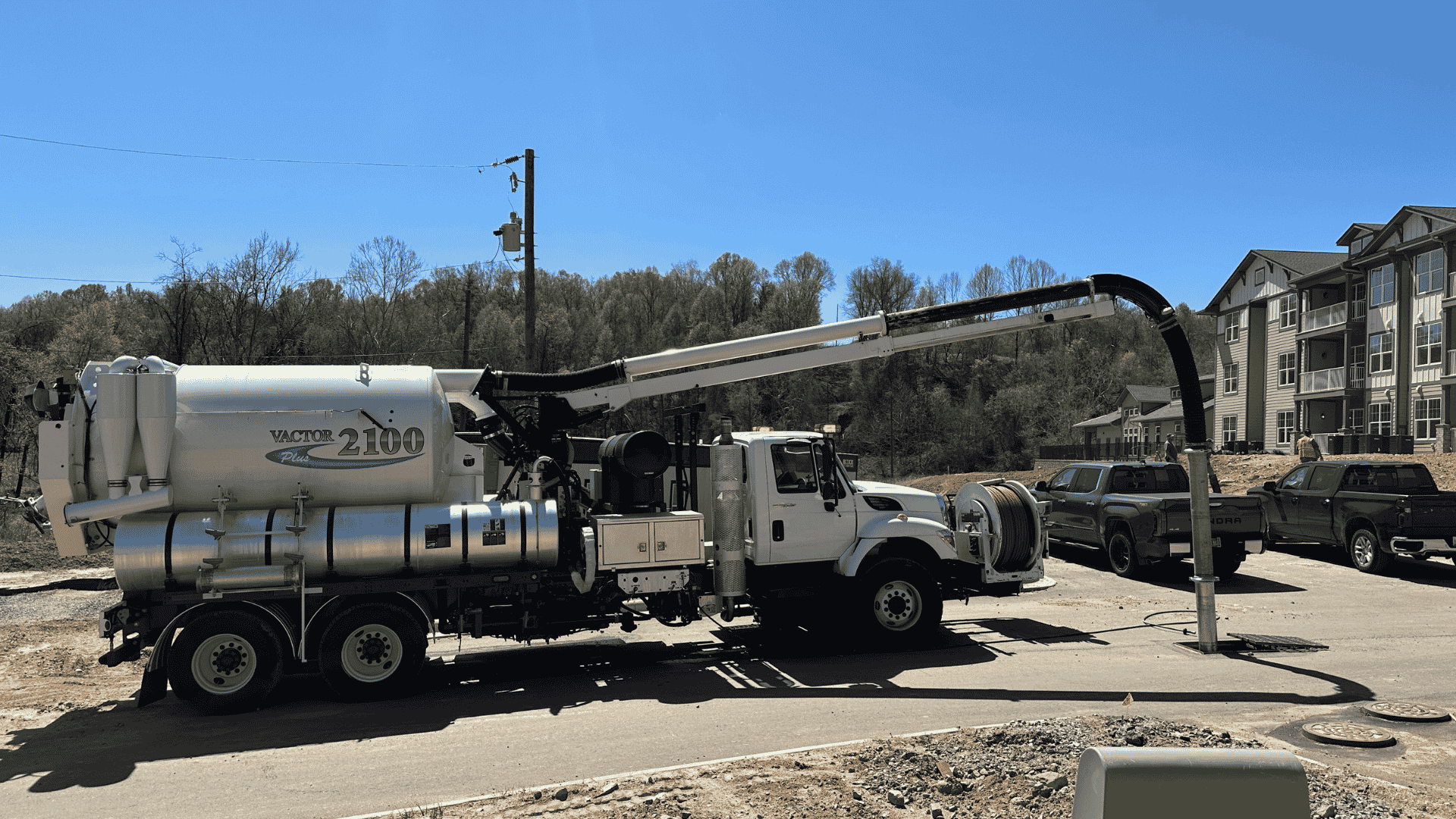
Ask ten septic companies how often you should pump your tank, and nine of them will say "every three to five years." That answer is a reasonable starting point, but it doesn't account for much. The right pumping interval for a WNC home depends on household size, tank capacity, system age, how the property is used, and the specific conditions that mountain terrain and WNC climate create. Getting the interval right matters more than most homeowners realize, because both under-pumping and over-pumping carry real costs.
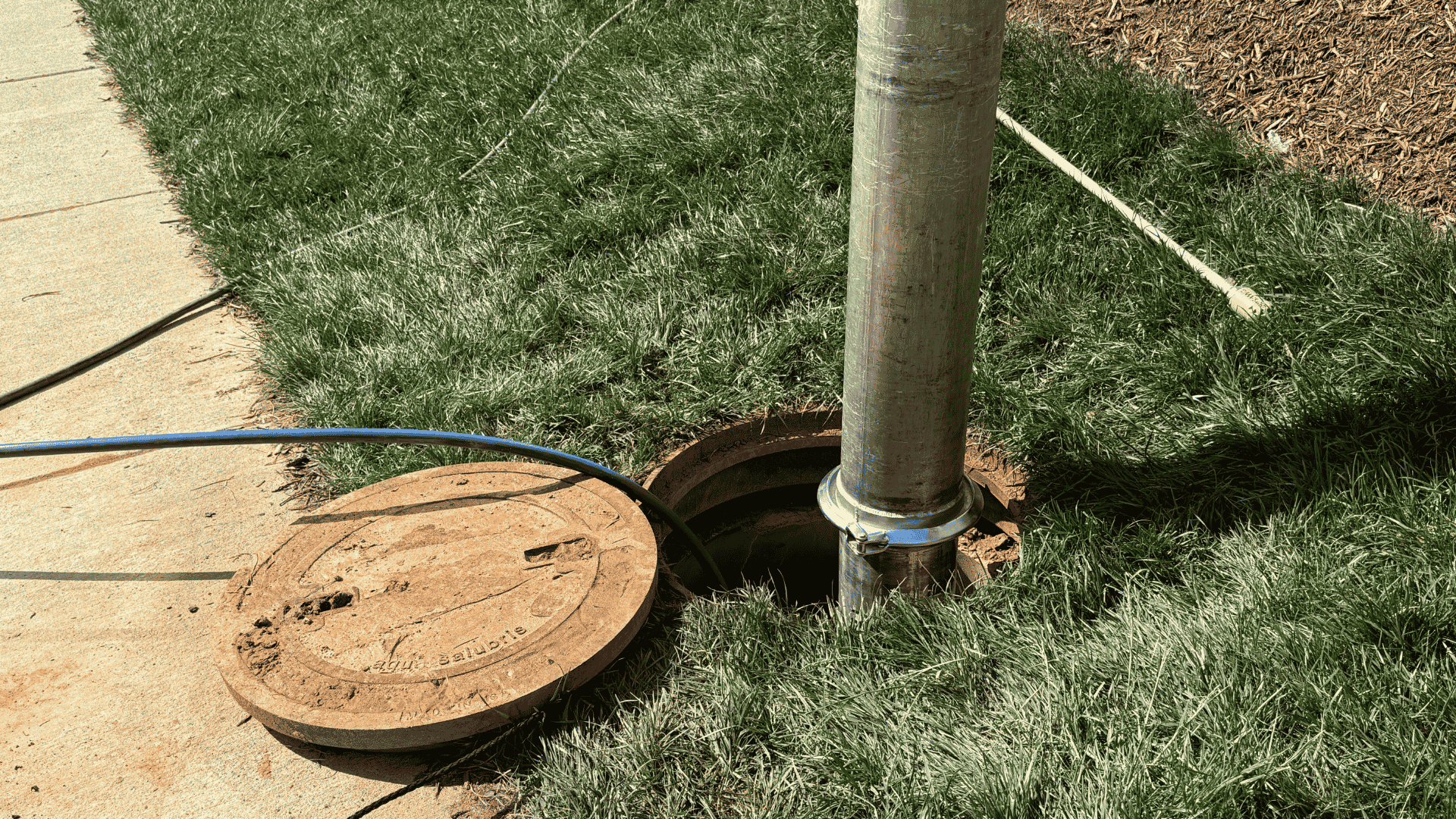
Western North Carolina receives some of the highest annual rainfall totals in the eastern United States. The Southern Appalachians act as a natural barrier that wrings moisture out of storm systems moving through the region, and spring is when that effect is most pronounced. For the thousands of WNC homeowners who rely on private septic systems, this seasonal reality creates a specific set of risks that don't apply to properties connected to municipal sewer lines.