Viking Environmental and Septic Services Blog
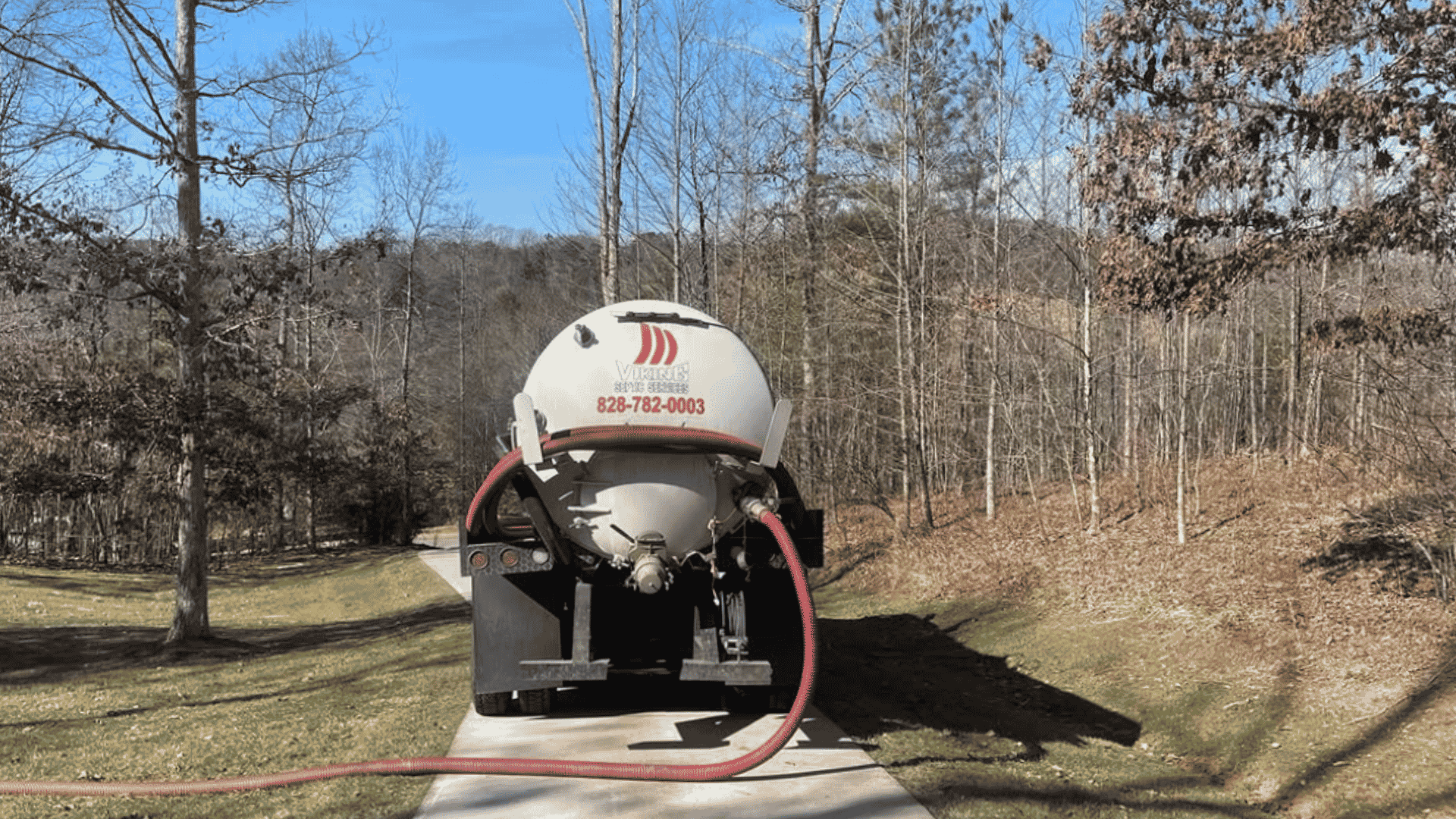
Your septic system backed up at 9 p.m. on a Friday. Raw sewage is surfacing in your yard, your toilets won't flush, and you have no idea what this is going to cost. In that moment, the price question feels just as urgent as the emergency itself — and most septic companies make it nearly impossible to get a straight answer until a truck is already in your driveway.
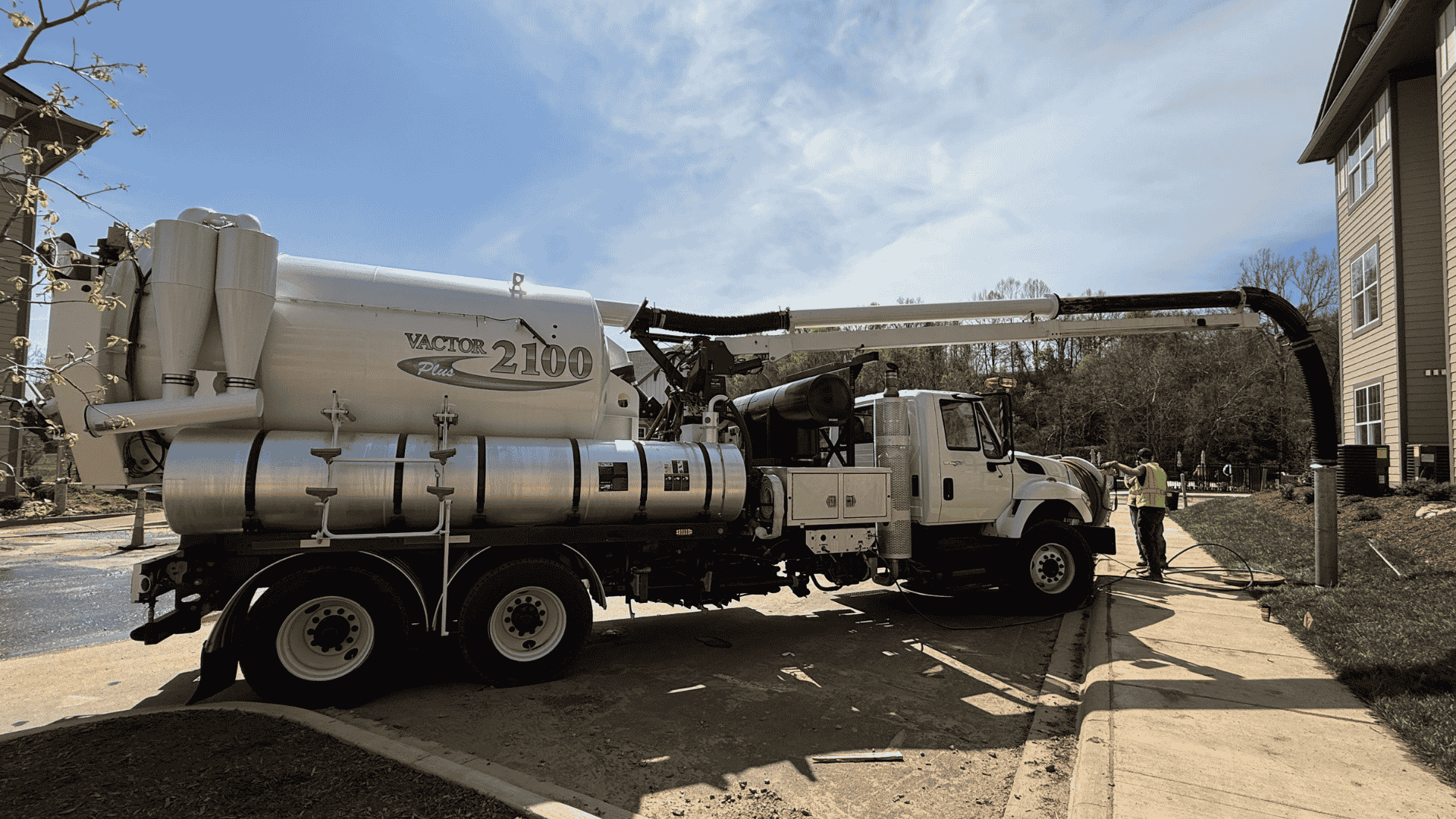
Buying or selling a home in Western North Carolina comes with a unique set of considerations. For the roughly 30% of properties here that rely on septic systems rather than municipal sewer, a real estate septic inspection is one of the most important steps in any transaction. Whether you're a buyer protecting your investment, a seller hoping to avoid last-minute surprises, or a real estate agent working to keep a deal on track, understanding how NC septic certification works can save everyone time, money, and stress.
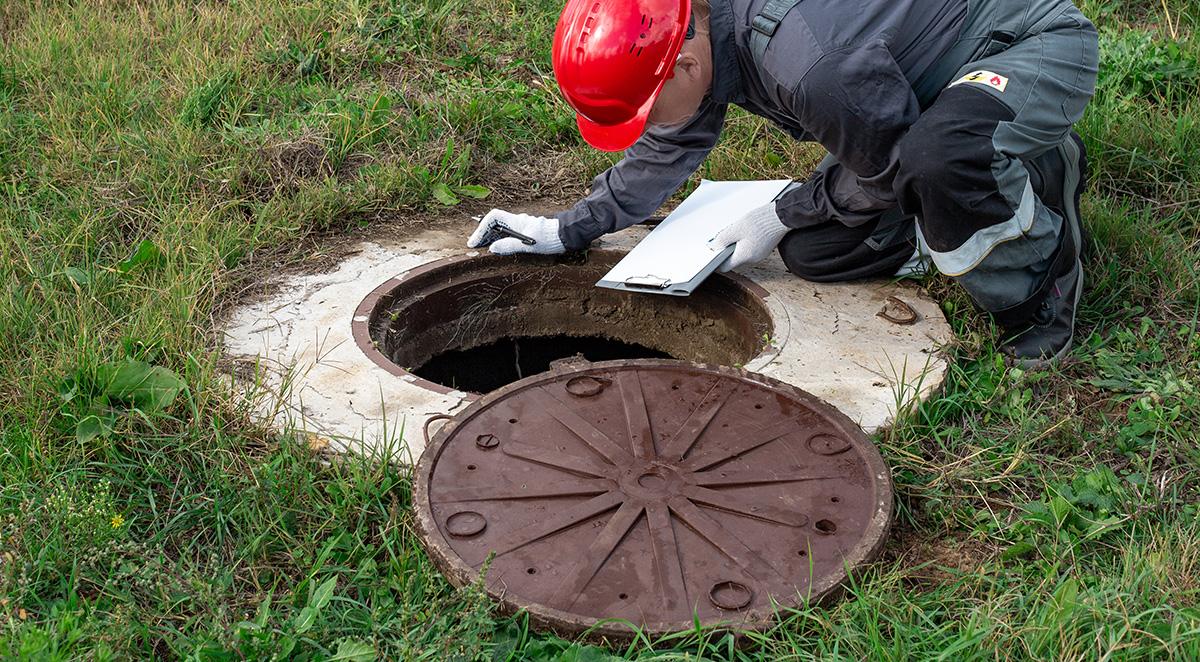
Winter in Western North Carolina is hard on septic systems. Freezing temperatures slow the bacterial activity your tank depends on to break down solids. Frozen or saturated ground limits your drainfield's ability to absorb effluent. Holiday gatherings and houseguests push usage above normal levels for weeks at a time. And through all of it, most homeowners don't give their septic system a second thought — because in winter, the last thing anyone wants to do is dig up a tank lid in the cold.
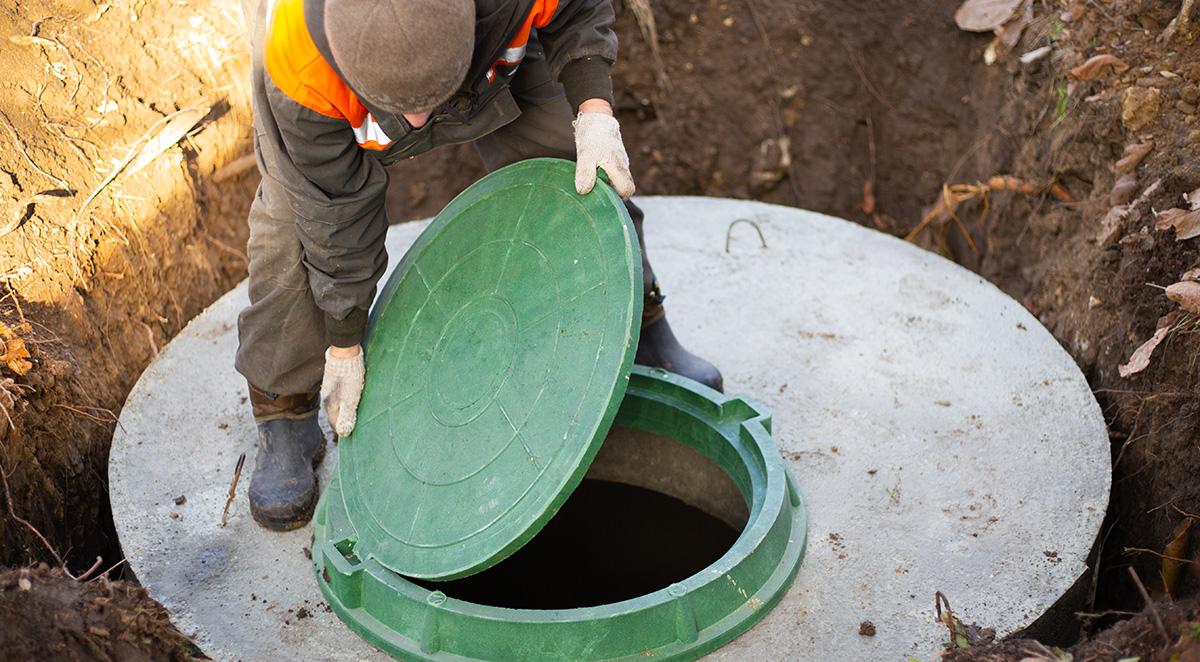
You had your septic tank pumped six months ago, maybe even less, and already the warning signs are back — slow drains, gurgling toilets, that unmistakable odor drifting across the yard. If your septic tank seems to fill up far faster than it should, you're not imagining things, and you're not alone. It's one of the most common concerns we hear from homeowners across Western North Carolina, and the answer is almost never as simple as "you just need to pump more often."
A septic tank that fills up fast is telling you something. The question is what — and the answer depends on understanding the difference between normal tank operation and a system that's genuinely struggling. In many cases, what looks like a tank problem is actually a drainfield problem, a groundwater problem, or a usage problem that no amount of extra pumping will solve.