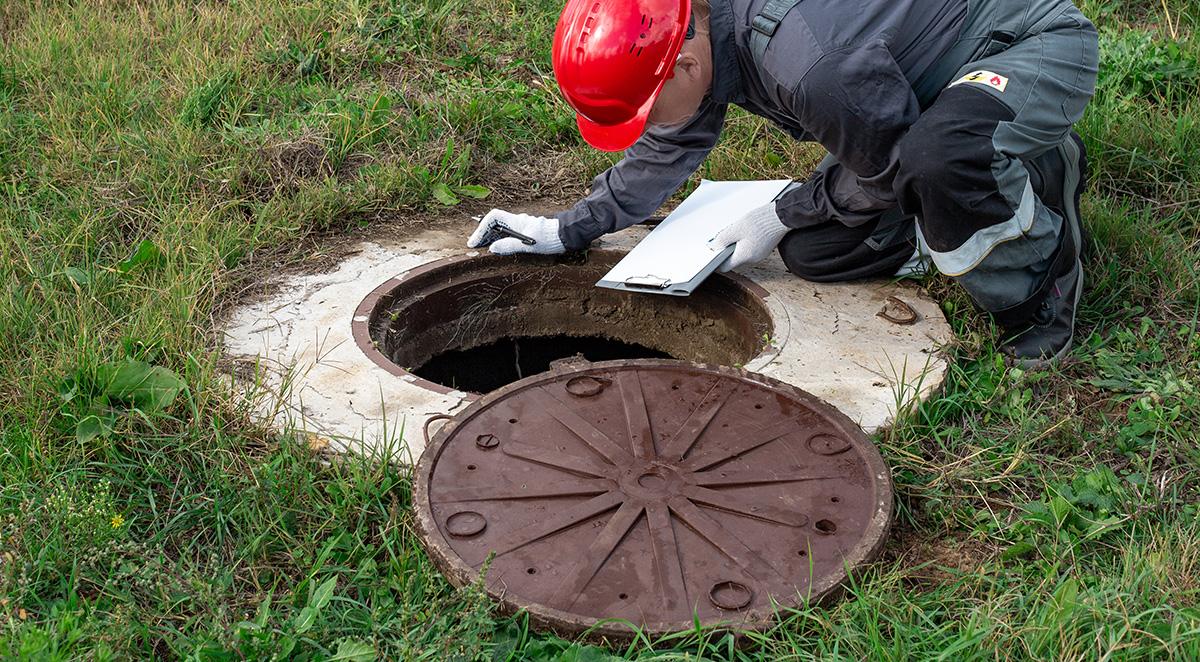
That's exactly why March is the smartest time to schedule a septic inspection in Western NC. The worst of winter is behind you, but the challenges ahead — spring rains, snowmelt, and the ramp-up to summer tourism season — are about to test your system in a completely different way. A spring check-up catches what winter left behind and prepares your system for what's coming next.
What Winter Does to WNC Septic Systems
Before we get into why spring is the ideal time for an inspection, it helps to understand what your system just went through.
Reduced Bacterial Activity
The bacteria inside your septic tank are responsible for breaking down solid waste. When temperatures drop, bacterial activity slows — significantly. Research from the University of Minnesota Extension confirms that cold weather reduces the biological processes in septic tanks, causing solids to accumulate more rapidly during winter months (University of Minnesota Extension). For WNC homes that experienced multiple freeze events between December and February, the sludge layer in the tank may be notably thicker than it was going into winter.
Frost and Ground Conditions
Western NC's freeze-thaw cycles are among the most aggressive in the Southeast. Repeatedly freezing and thawing ground stresses shallow septic components — pipes, distribution boxes, and the upper portions of tank walls — in ways that milder winters don't. Frost heave can shift pipe connections and alter the grade of distribution lines, creating low spots where water pools and high spots where flow is restricted.
Increased Holiday Usage
The stretch from Thanksgiving through New Year's is one of the highest-usage periods for residential septic systems. Extra guests mean more showers, more laundry, more toilet flushes, and more kitchen waste entering the system. If your home hosted holiday gatherings or family visits, your system absorbed weeks of above-normal loading during the very season when its biological processing capacity was at its lowest.
Reduced Evaporation
During warmer months, some moisture in and around the drainfield is removed by evaporation and plant uptake. In winter, both processes drop to near zero. The drainfield retains more moisture throughout the cold months, leaving it in a wetter, more vulnerable state heading into spring.
Why March Timing Matters
March occupies a unique position in the septic maintenance calendar for Western NC homeowners. Here's why this window is so valuable.
1. Post-Winter Assessment Before Spring Stress
By March, the cumulative effects of winter — slower bacterial processing, holiday overuse, frost stress on components — have had time to manifest. But the major spring stressors haven't arrived yet. Heavy spring rains typically pick up in late March and April across WNC, and snowmelt from higher elevations feeds groundwater that rises through April and May. Inspecting now means identifying winter damage before spring conditions amplify it.
A hairline crack in the tank wall that developed during a January freeze might not cause noticeable problems in February when the ground is still cold and relatively dry. But when March and April rains arrive and groundwater rises, that crack becomes an entry point for thousands of gallons of unwanted water, overwhelming your system from the outside in. Catching it now, while the ground is transitioning, means you can repair it before it causes a true emergency.
2. Ground Conditions Are Accessible
Late winter and early spring in WNC often provide a window where the ground is no longer frozen but hasn't yet become waterlogged from sustained spring rain. Tank lids are accessible, the soil around system components can be evaluated for settling or erosion, and any surface indicators — wet spots, odors, vegetation changes — are visible without being masked by actively falling rain or standing water from recent storms.
3. Time to Act Before Peak Season
If your spring inspection reveals that your system needs pumping, a repair, or more extensive work, scheduling that work in March or early April is far easier than trying to squeeze it in during the busy summer months. More importantly, it means your system is in top condition before the seasonal demands of summer arrive.
What a Spring Septic Check-Up Covers
A spring inspection from Viking Environmental is a comprehensive evaluation of your system's post-winter condition.
Tank Pumping and Interior Evaluation
Every Viking inspection includes a full septic tank pumping with off-site waste disposal. With the tank empty, our NCOWCICB-certified technician inspects the interior for cracks that may have developed or expanded during freeze-thaw cycles, baffle condition and structural integrity, inlet and outlet tee alignment and function, filter condition (cleaned during the inspection if present), and signs of groundwater intrusion through walls, seams, or fittings.
Drainfield Surface Assessment
We evaluate the ground above your drainfield for standing water or saturated soil (which shouldn't be present in dry weather), vegetation patterns that suggest uneven effluent distribution, erosion or settling that may indicate shifting pipes or a compromised distribution box, and any areas where odor is detectable from the surface. These surface indicators often reveal drainfield issues that aren't yet causing symptoms inside the home.
System Component Check
Beyond the tank and drainfield, we check the distribution box (D-box) for level and structural integrity, visible portions of inlet and outlet piping for damage or displacement, pump operation and float switches (for systems with pump tanks), any risers, lids, and access points for condition and seal, and alarm function (for systems equipped with alarms). If a more detailed look is needed inside the lines, a sewer scope camera inspection can reveal blockages, root intrusion, or pipe damage that isn't visible from the surface.
Detailed Report
You receive a written report documenting the condition of each component evaluated, any issues found, recommended actions, and photographs where applicable. This report serves as a baseline for your system's condition and a valuable reference for future maintenance planning.
Preparing for Spring Rain Season
Western NC typically receives its heaviest rainfall between March and June. For septic systems, heavy rain creates specific challenges that a spring check-up helps you manage.
Groundwater and Drainfield Saturation
When the soil around your drainfield is saturated from sustained rain, the drainfield temporarily loses its ability to absorb effluent from the tank. The tank fills up, and if it can't drain, sewage backs up toward the house. A system with a recently pumped tank and confirmed good condition has far more buffer capacity to weather a wet spring than one that entered the season already at its limits.
Surface Water Management
Spring is a good time to confirm that surface water — from roof gutters, downspouts, driveway runoff, and landscape grading — is directed away from your septic system components. Water that pools over the tank or drainfield adds unnecessary volume that the system wasn't designed to handle.
Erosion Around System Components
Spring rain combined with snowmelt can erode soil around tank lids, risers, and distribution boxes, potentially exposing components and allowing surface water to enter the system. Our spring inspection identifies erosion that needs to be addressed before the wet season fully arrives.
Spring Prep for Vacation Rental Properties
If your WNC property serves as a vacation rental, spring preparation takes on additional urgency. Tourism season ramps up significantly starting in April and peaks through October, and rental properties face septic challenges that owner-occupied homes typically don't.
Variable and Unpredictable Usage
A property that sat mostly vacant during the winter off-season may suddenly host full-capacity bookings for weeks at a time. A system that was adequate for intermittent winter use can be overwhelmed when occupancy jumps to maximum levels with spring and summer bookings. Systems that sit idle for extended periods can also experience biological slowdowns in the tank, where the bacterial population declines due to lack of incoming waste. When full-occupancy usage resumes, the diminished bacterial colony can't process the sudden influx efficiently.
Guest Usage Habits
Rental guests aren't always familiar with septic system etiquette. Items that shouldn't enter a septic system — "flushable" wipes, feminine hygiene products, cooking grease, excessive detergent — frequently do in rental situations. A spring pumping and inspection gives your system a clean start before guest-related stress begins.
Avoiding Mid-Stay Emergencies
A septic emergency during a guest stay is a worst-case scenario for rental property owners: unhappy guests, potential refund demands, emergency service costs at premium rates, and possible negative reviews. A spring check-up is inexpensive insurance against a mid-season disaster. For rental properties, we often recommend a pumping interval shorter than the standard three-to-five-year guideline — sometimes annually — depending on the occupancy patterns and system size.
The Cost Math: Spring Maintenance vs. Emergency Response
The financial case for a spring inspection is straightforward.
A comprehensive inspection with Viking Environmental starts at $850 and includes a full tank pumping, off-site waste disposal, certified evaluation, and detailed written report. A standalone pumping service starts at $400. Routine maintenance and filter cleaning starts at $150.
By comparison, an emergency pumping costs more due to urgency and timing. Emergency repairs — from baffle replacement to pump repair to pipe work — range from hundreds to several thousand dollars depending on scope. Drainfield restoration or replacement can run from $5,000 to $20,000 or more. A complete system replacement on a challenging WNC mountain property can exceed $30,000.
Every issue that a spring inspection catches early is an issue that doesn't become an emergency later. The math consistently favors prevention.
Signs Your System Needs Attention Before Spring Rains Arrive
Even before your scheduled inspection, watch for these indicators that your system may be struggling after winter.
Slow drains throughout the house, particularly at the lowest fixtures, suggest the tank or drainfield is nearing capacity. Gurgling sounds from plumbing when water is running indicate air displacement in the system, often caused by restricted outflow. Sewage odors indoors or outdoors near the septic area point to elevated tank levels or drainfield stress. Soggy ground or standing water over the drainfield in dry weather is a clear sign of drainfield saturation. Unusually green or lush grass over the drainfield compared to the surrounding lawn often indicates that effluent is surfacing rather than being absorbed properly.
If you're noticing any of these signs, don't wait for your scheduled spring inspection — call (828) 782-0003 to have your system evaluated promptly. Catching these issues early, before spring rains compound them, can mean the difference between a routine repair and a full-blown emergency. For a comprehensive overview of warning signs, see our guide on avoiding septic emergencies.
Frequently Asked Questions About Spring Septic Inspections
How often should I have my septic system inspected?
For most WNC homeowners, a professional inspection every one to two years provides good oversight, with pumping performed every three to five years (or more frequently for larger households). Vacation rental properties and older systems benefit from annual inspection and more frequent pumping.
My system seems fine. Do I still need a spring check-up?
Many septic problems develop gradually and don't produce noticeable symptoms until the system is under significant stress. A spring inspection can catch issues — hairline cracks, early-stage drainfield decline, deteriorating baffles — that haven't yet caused visible symptoms but will worsen under spring rain and summer usage conditions.
Can I just have my tank pumped instead of a full inspection?
You can, and regular pumping is valuable on its own. Pumping with Viking includes a visual evaluation of accessible components. However, a full inspection provides a more thorough assessment including a certified evaluation, detailed report, and documentation that's especially useful for real estate transactions, insurance purposes, and long-term maintenance planning.
What if the inspection finds my drainfield is failing?
If drainfield issues are identified, your technician will explain the severity, the likely cause, and your options. Depending on the situation, solutions may range from hydro-jetting to restore absorption capacity, to targeted line repair, to partial or full drainfield replacement. We present all options with clear cost expectations so you can make an informed decision.
How much notice do I need to give to schedule a spring inspection?
We recommend scheduling early in the season — February or early March — to ensure availability before the spring rush. Call (828) 782-0003 or contact us online to book your preferred date.
Is a spring inspection different from an inspection for a real estate transaction?
The inspection process and standards are the same — both are performed by NCOWCICB-certified professionals and include the same comprehensive evaluation and documentation. The difference is typically in the urgency: real estate inspections are tied to transaction timelines, while spring maintenance inspections can be scheduled at your convenience.
Give Your System a Fresh Start This Spring
Your septic system carried you through another WNC winter. Before it faces the demands of spring rain, summer heat, and peak-season usage, give it the attention it deserves. A spring check-up from Viking Environmental and Septic Services confirms your system's condition, catches developing problems early, and ensures you're headed into the busy season with confidence rather than crossed fingers.
Call Viking at (828) 782-0003 or contact us online to schedule your spring septic inspection.